
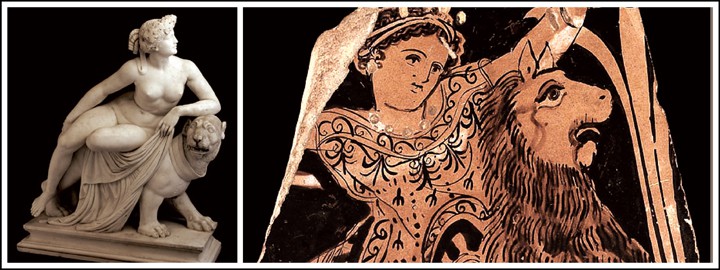
The celebration of Mother’s Day has deep and diverse roots, intertwining ancient traditions with modern expressions of gratitude. The earliest origins can be traced to the ancient Greeks and Romans, who held vibrant festivals to honor the mother goddesses Rhea and Cybele. Rhea, revered as the mother of the Olympian gods, and Cybele, a symbol of fertility and nature, were celebrated with rituals, feasts, and offerings of flowers, honey, and wine. These events were not only religious but also communal, emphasizing the sacred role of motherhood in sustaining life and society.
A significant precursor to the modern Mother’s Day emerged in medieval Europe with the Christian festival known as “Mothering Sunday.” Observed on the fourth Sunday of Lent, this day was initially dedicated to the Virgin Mary, the Mother of Christ. Families would gather at their “mother” church, and worshippers made offerings of honey-cakes, drinks, and spring blossoms at dawn, symbolizing devotion and renewal. Over time, the religious focus softened, and Mothering Sunday became an occasion for children to honor their own mothers. Young apprentices and servants, often living away from home, were granted leave to visit their families, bringing flowers, small gifts, or handmade tokens of appreciation. This heartfelt tradition strengthened family bonds during a time when such reunions were rare.
By the 19th century, Mothering Sunday had begun to fade in prominence, overshadowed by industrialization and changing social customs. However, the concept of a day dedicated to mothers was revitalized in the United States through the efforts of figures like Anna Jarvis. In 1908, Jarvis organized the first official Mother’s Day in West Virginia to honor her late mother, Ann, a peace activist who cared for wounded soldiers during the Civil War. Jarvis’s vision was to create a day of personal appreciation, where children expressed love for their mothers through handwritten letters and simple gestures. Her campaign gained traction, and by 1914, President Woodrow Wilson declared the second Sunday in May as Mother’s Day, a national holiday in the United States.
The American Mother’s Day inspired a global resurgence of similar celebrations, including the reintegration of Mothering Sunday in the UK. By the 1930s and 1940s, the two traditions began to merge, blending the sentimental gift-giving of the British custom with the formalized holiday structure of the American model. Today, Mother’s Day is celebrated worldwide, though its date and customs vary. In Greece, the holiday resonates deeply, reflecting the cultural reverence for family and the maternal role. Greek families often mark the day with gatherings, meals featuring traditional dishes like spanakopita or baklava, and gifts such as flowers, jewelry, or heartfelt notes.
Despite its commercialization in modern times, with cards, chocolates, and spa packages dominating the market, the essence of Mother’s Day remains rooted in gratitude. It is a moment to pause and recognize the sacrifices, strength, and love of mothers and grandmothers, who shape families and communities across generations. In the spirit of the ancient festivals for Rhea and Cybele, the day continues to honor the life-giving and nurturing power of motherhood.
From all of us at Greek City Times, we extend our warmest wishes to every mother, grandmother, and maternal figure for a joyful and cherished Mother’s Day!
GCT Team
This article was crafted by a member of the Greek City Times team
